A practical guide from the 3Light Talent team.
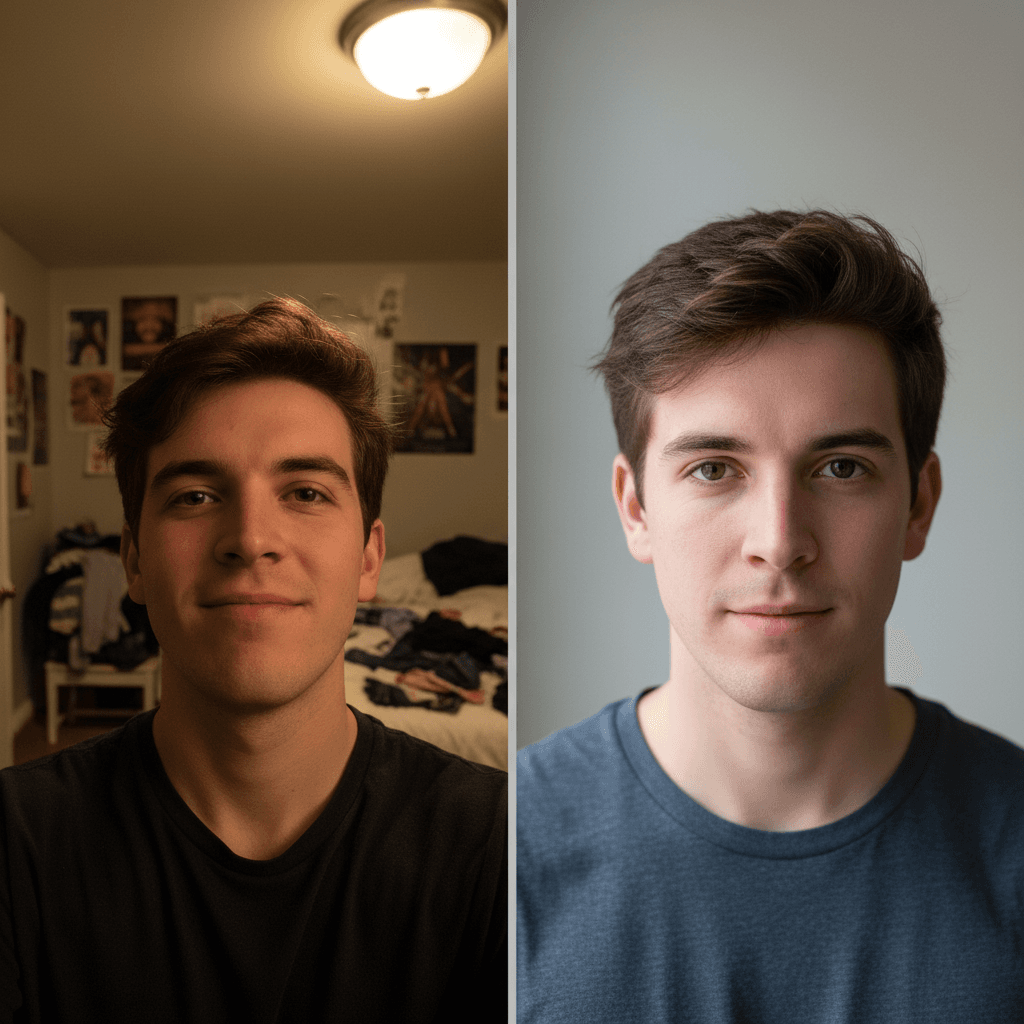
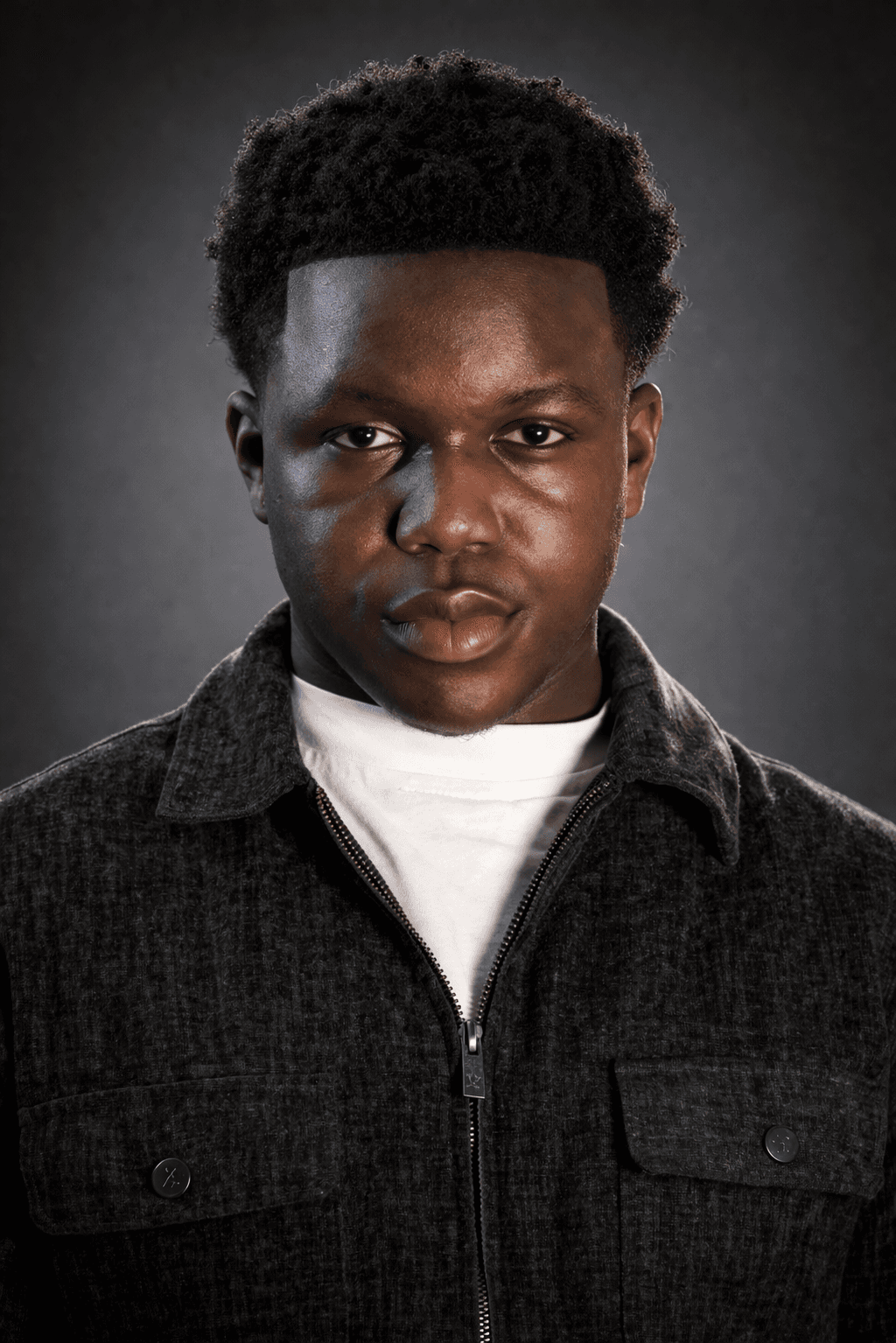
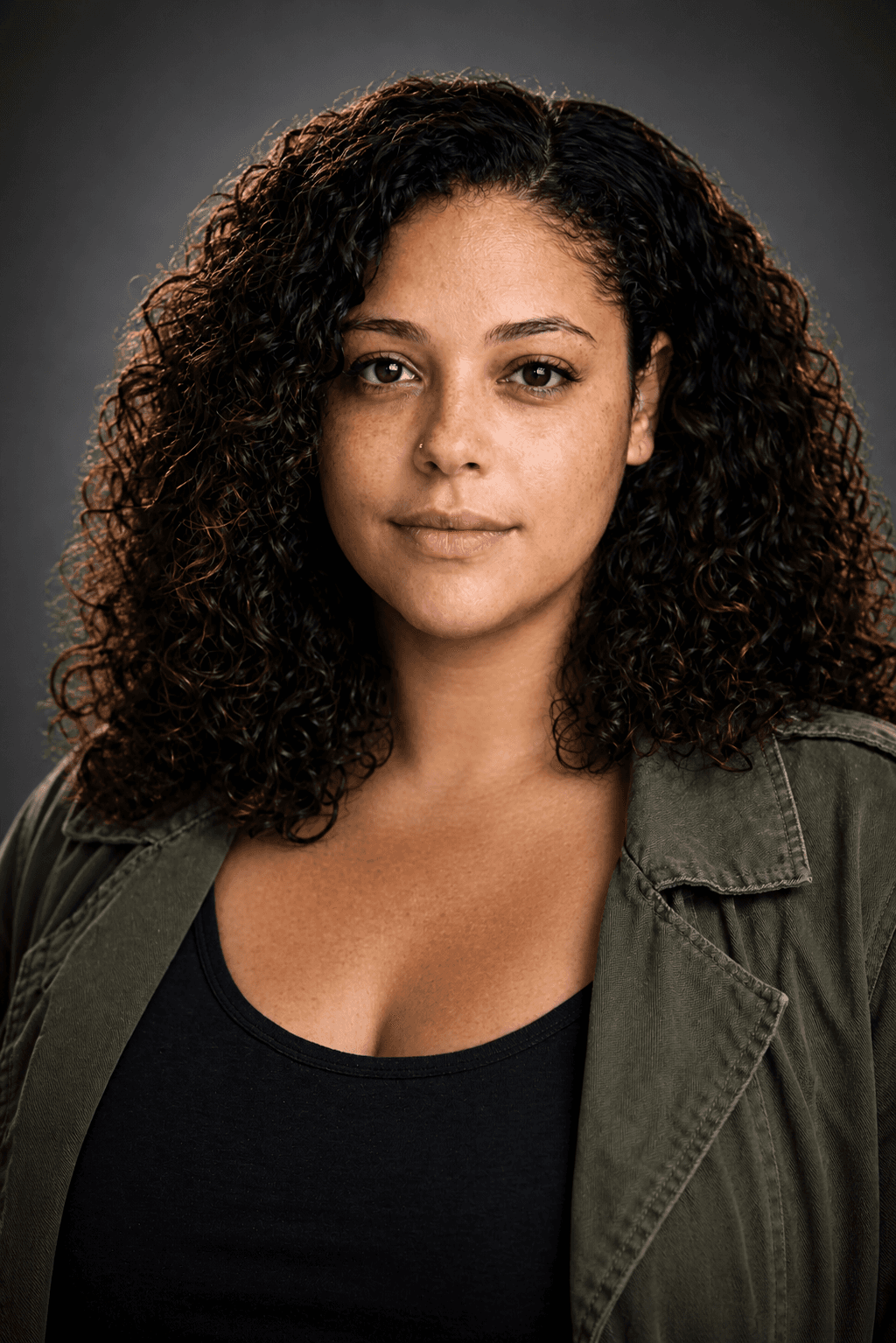
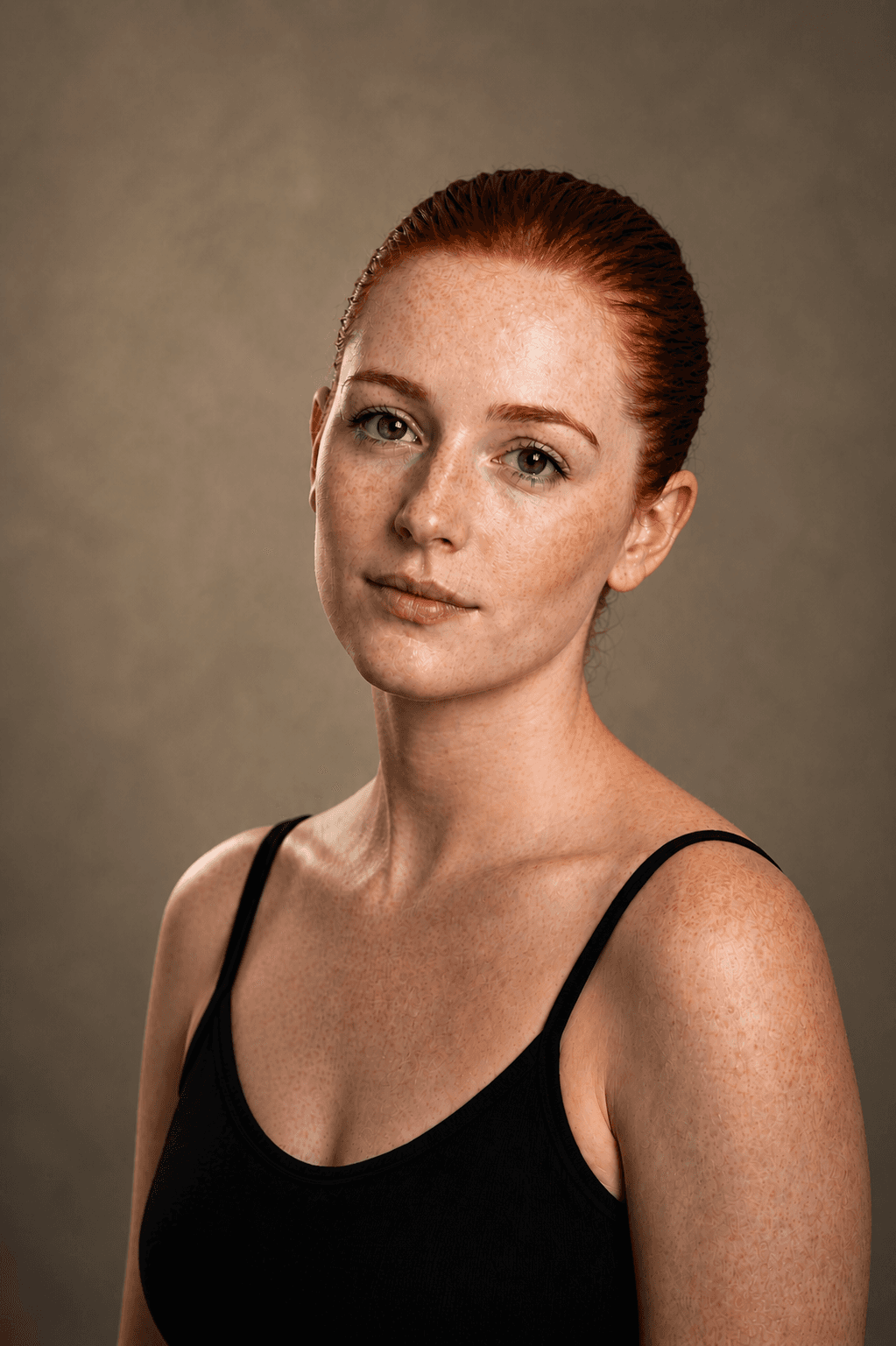
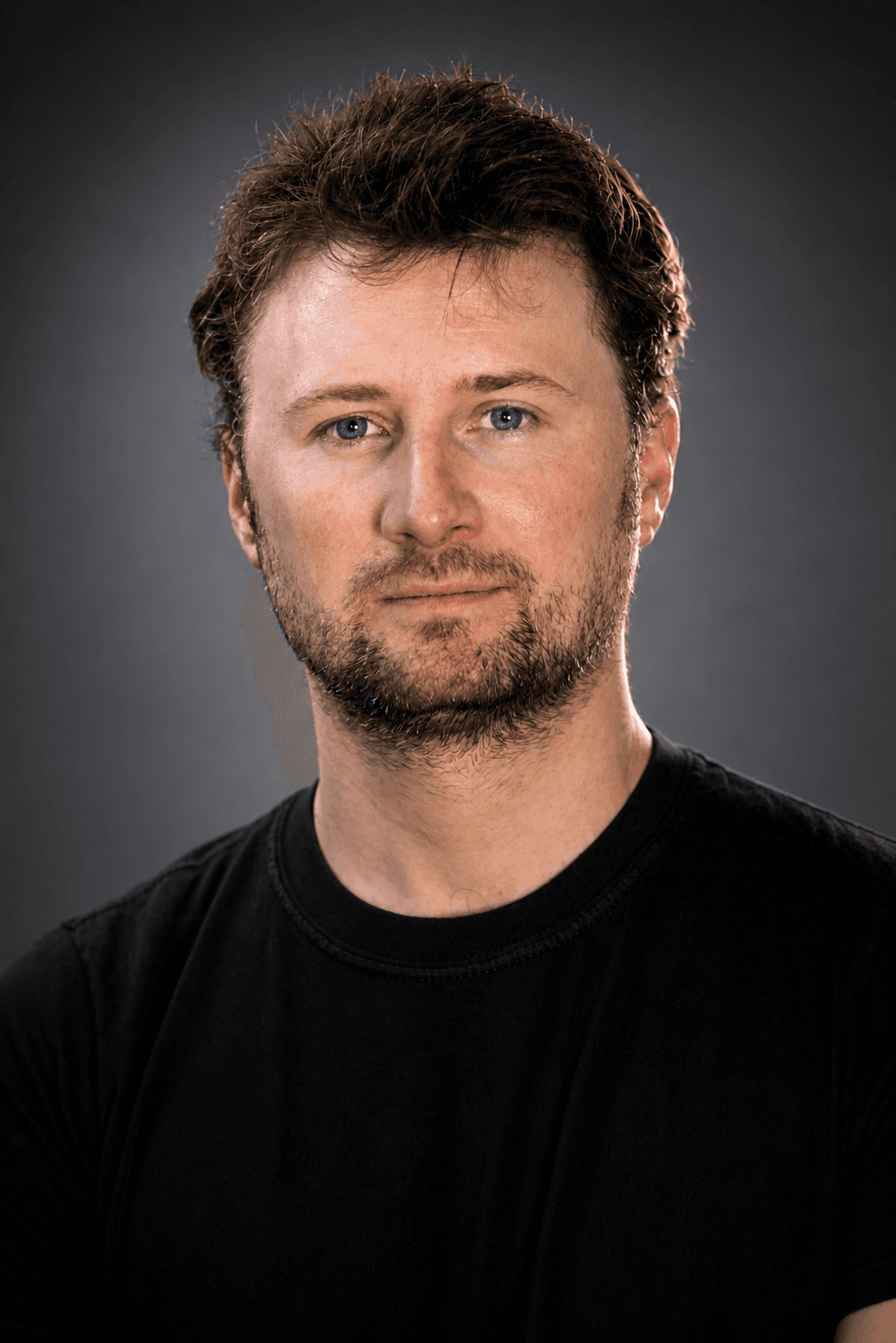
Your headshot is your shop window. It's the first thing a casting director sees, and it's almost always the thing that decides whether they click your profile or scroll past it. Most casting directors give a profile around six seconds of attention. If your photo doesn't earn the click, the rest of your profile, your training, your credits, your showreel, never gets seen.
If your photo got rejected, please don't take it personally. We rejected it because we want you to get cast. A weak headshot on the platform actively works against you, even if you're brilliant in the room.
This guide gives you three clear options. Read them all, then pick the route that fits where you are right now.
Why We Reject Photos
The most common reasons a photo gets rejected:
- Blurry, low resolution, or pixelated images
- Heavy filters, beauty smoothing, or obvious editing
- Group photos cropped down to one person
- Selfies taken at unflattering angles
- Sunglasses, hats, or anything obscuring your face
- Distracting or messy backgrounds (bedrooms, cars, bars, holiday snaps)
- Harsh shadows across the face
- Photos clearly more than 12 months old
- Full-body shots used as headshots
- Photos where it's hard to tell what you actually look like
Casting directors need a clear, honest, current image of your face. That's the brief.
Your Three Options
- Take it yourself at home. Free, fast, and a sensible short-term fix while you get yourself on the platform.
- Book through the 3Light Talent Professional Plan. The proper long-term solution. Industry-standard headshots, full collaboration, plus you get added to our active casting database.
- Find a TFP photographer. A side route worth knowing about if you have time on your hands.
We'll go through each.
Option 1: Take It Yourself at Home
A self-shot headshot can absolutely get you onto the platform and into early casting submissions. Plenty of working actors started this way. But be clear-eyed about what it is: a starting point, not a finish line. As soon as you start being put forward for paid productions, agency-fronted work, broadcast roles, or anything with a real budget, you'll need a proper professional headshot. Casting directors expect it, and so do agents.
For now, here's how to do it well.
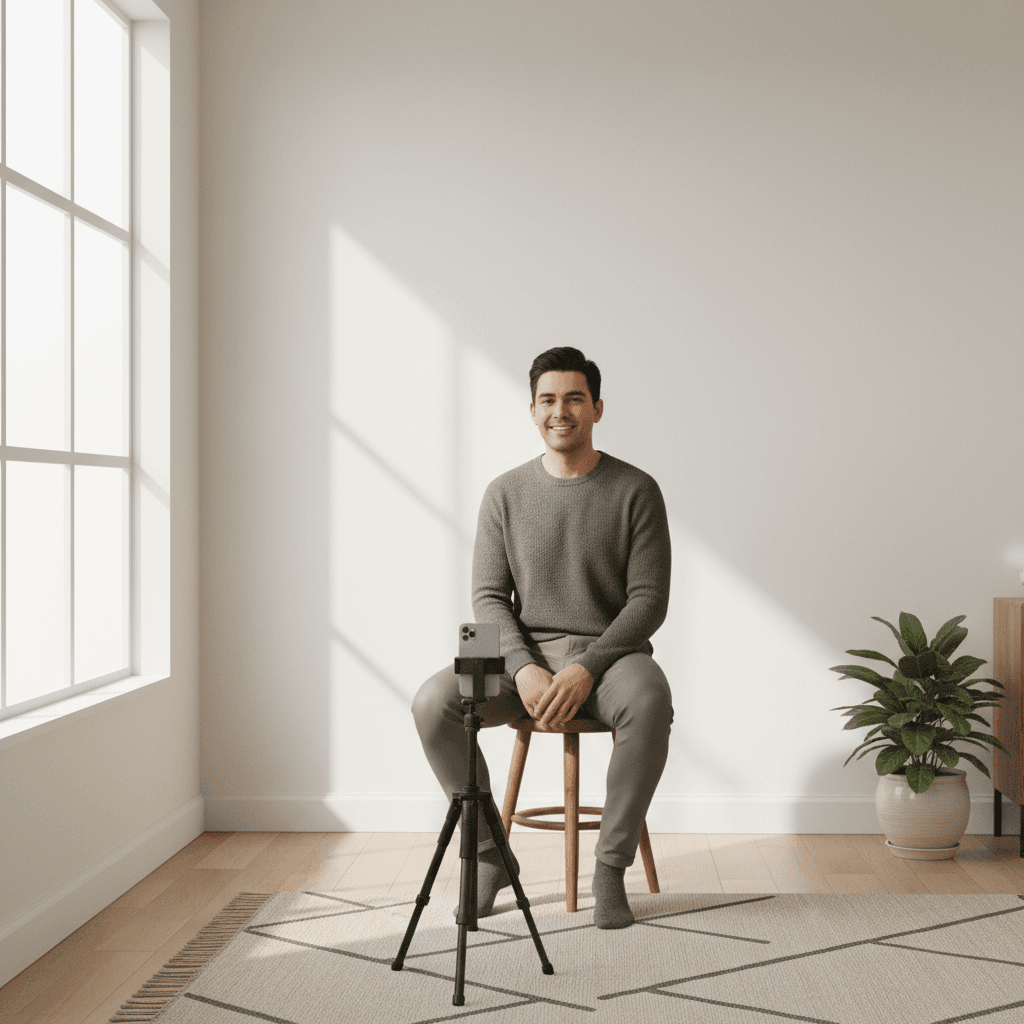
What You'll Need
- A modern smartphone (iPhone 11 or newer, Samsung Galaxy S10 or newer, Google Pixel 5 or newer). Older phones can work but the quality drops noticeably.
- A tripod, phone stand, or a stack of books to keep the phone steady at eye level.
- A plain wall, ideally white, light grey, or a neutral colour. A bedsheet hung on a door works in a pinch.
- Natural daylight from a window.
- A friend to press the shutter, or use the self-timer or voice control.
- Time. Block out at least an hour. Rushing this is what produces bad headshots.
Lighting (Get This Right and Half the Job Is Done)
Lighting is the single biggest difference between a photo that looks amateur and one that looks professional. The good news: you don't need any equipment.
Use a large window as your light source.
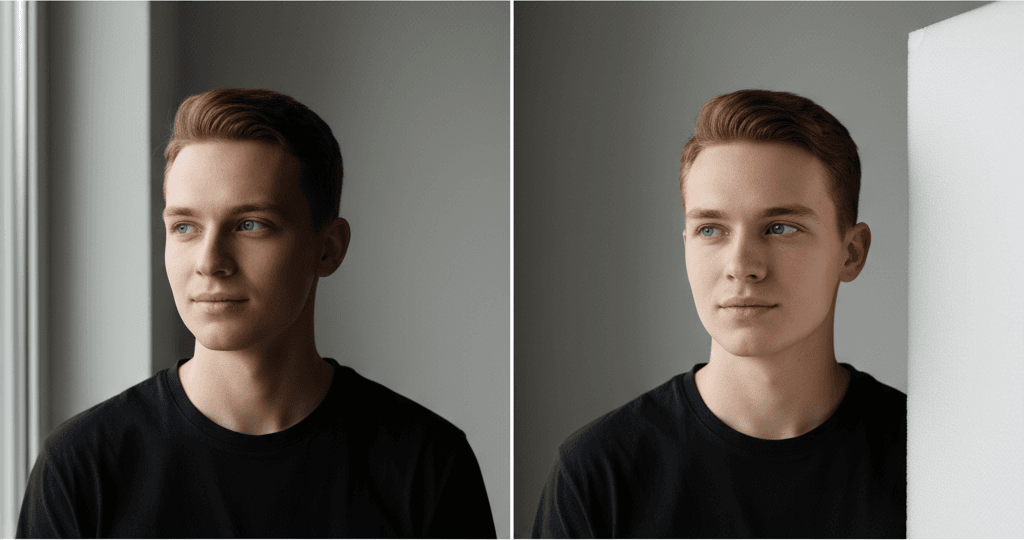
- Position yourself facing the window, with the window roughly 45 degrees off-centre. This gives soft, flattering light with gentle shadow on one side of your face.
- Do not stand with the window behind you. Your face will be in shadow and the photo will look flat or washed out.
- Avoid direct, harsh sunlight. Bright midday sun creates hard shadows and squinting eyes.
- An overcast day is genuinely the best lighting condition you can get. Cloud cover acts as a giant softbox.
- Aim to shoot between roughly 10am and 3pm in winter, or any time on a cloudy day.
Things to avoid:
- Overhead ceiling lights. They cast shadows under your eyes, nose, and chin.
- Mixed light sources (a window plus a yellow lamp, for example). The colours fight each other and your skin tone goes wrong.
- Shooting in the evening with only artificial light, unless you really know what you're doing.
A simple trick: hold a large piece of white card, a white pillowcase, or a white foam board on the shadow side of your face. It bounces light back and softens the shadow. Get a friend to hold it, or prop it on a chair.
Background
Keep it simple. The casting director needs to see your face, not your decor.
Good background options:
- A plain painted wall (white, off-white, light grey, soft beige, navy)
- A bedsheet hung on a door
- A blurred outdoor scene (use Portrait Mode on your phone to blur it)
- A large neutral curtain
Bad background options:
- Bookshelves, kitchens, bedrooms, your sofa
- Patterned wallpaper
- Anything with clutter, posters, or strong colours
- Outdoor scenes that aren't blurred
- Anywhere with people in the background
Stand at least one metre away from the background. The further you are from it, the more it falls out of focus and looks intentional.
Camera and Phone Settings
- Use the rear camera, not the front-facing one. The rear camera is much higher quality. This is non-negotiable.
- Turn on Portrait Mode if your phone has it. It mimics the look of a professional camera by blurring the background.
- Tap the screen on your eye before each shot. This locks focus where it matters.
- Don't use digital zoom. It destroys image quality. If you need to be tighter in the frame, physically move the phone closer.
- Shoot in landscape (horizontal) orientation unless you specifically need a portrait crop. You can always crop down later.
- Wipe the lens with a clean cloth before you start. Phone lenses get smudged constantly and you won't notice until the photos look soft.
Framing and Composition
A headshot is, by definition, a head shot. Get the framing right.
- Frame from the top of your shoulders to just above the top of your head, with a small amount of space above your hair.
- Your eyes should sit roughly one third of the way down from the top of the frame. This is called the rule of thirds and it's how every professional photo is composed.
- The camera should be at your eye level, not above or below. A phone tilted down from above makes your forehead look huge. A phone tilted up from below gives you a double chin and shows your nostrils. Eye level, every time.
- Face the camera directly, or turn your shoulders slightly (about 15 to 20 degrees) for a softer angle.
What to Wear
- Solid colours work best. Avoid logos, slogans, busy patterns, stripes, and checks.
- Stay away from pure white shirts (they overexpose) and pure black (it can flatten you out). Mid-tones photograph best.
- Choose a neckline that frames your face. A simple round-neck T-shirt, a fitted top, or a casual shirt works well.
- Iron it. Wrinkles read as careless on camera.
- If you can, take two looks: one slightly more formal, one more relaxed.
Hair, Makeup, and Grooming
The aim is to look like you on a good day. Not a different person. Hair styled how you actually wear it. Makeup natural and minimal (heavy makeup limits the roles you'll be considered for). For men, decide on stubble or clean-shaven and commit. Don't get a fresh haircut the same day, give it three or four days to settle.
Expression
This is what most self-shot headshots get wrong. Take a lot of photos. Aim for at least 100 frames across a session, the good ones are usually a small fraction. Don't force a wide smile, a subtle half-smile or a relaxed neutral expression works best for most casting briefs. Engage your eyes by thinking of someone you genuinely care about, or a slightly funny memory, just before each shot. Look directly down the lens, not at the screen and not at yourself.
Editing
Less is more. Adjust exposure, brightness, and contrast subtly. Crop to the right framing. Straighten if needed. That's it. Do not smooth your skin, whiten teeth, reshape your face, or apply filters. Casting directors have a sixth sense for over-edited photos and it counts against you. If you turn up looking different to your photo, you've wasted everyone's time. Free apps that work well: Snapseed, Lightroom Mobile (free version), VSCO (basic adjustments only).
The Honest Truth About DIY
A self-shot headshot done carefully will get you onto the platform. It will get you considered for student films, low-budget shorts, unpaid theatre, and early-career submissions. What it won't do is open the door to professional, paid productions. Once you're submitting for that level of work, the gap between a phone photo and a properly produced headshot becomes obvious instantly, and casting directors filter you out without thinking about it.
Use the DIY route to get started. Plan to upgrade as soon as you can.
Option 2: The 3Light Talent Professional Plan
This is the route we genuinely recommend if you're serious about acting as a career.
Professional productions require professional headshots. That's not a marketing line, it's how the industry works. Agents won't sign you without them. Casting directors filter on them. Production teams expect them. If acting is more than a hobby for you, professional headshots are a non-negotiable cost of doing business, in the same way an electrician needs tools or a barrister needs a wig and gown.
The Professional Plan was built specifically to remove every reason an actor might put this off. Here's what's included:
A full headshot session, done in-house.
We don't outsource this. Our headshot photographer works exclusively with actors, knows the UK casting market inside out, and understands what makes a casting-ready image. You're not getting a wedding photographer who does headshots on the side. You're getting someone whose entire job is producing headshots that get actors cast.
Both studio and natural-light photos.
Most photographers give you one or the other. With the Professional Plan, you get a proper indoor studio session (controlled lighting, classic neutral backdrops, the timeless casting-standard look) AND a separate set of natural-light shots in real environments. That gives you range on your profile, which matters because different casting briefs ask for different looks. A period drama wants something different to a sitcom, which wants something different to a corporate commercial. With one studio look, you're playing one note. With studio plus natural-light variety, you can be put forward for far more.
Multiple looks, multiple wardrobe changes.
You won't leave with one shot. You'll leave with a set, covering different outfits, different moods, different angles. Casting directors love seeing range and you're given options to refresh your profile throughout the year without booking a new session.
Real collaboration.
This is the part most actors don't realise they need until they experience it. A good headshot photographer doesn't just press the shutter, they direct you. They find your strongest angles. They notice the difference between when your eyes are alive and when they've gone flat. They coach the expression. The session is a working partnership, and the photos are dramatically better for it.
Casting-ready files, properly formatted.
You receive professionally edited images at the right resolution, the right aspect ratio, and in the formats that casting platforms and self-tape submissions actually require. No more guessing whether your file is the right size.
Direct upload and instant profile boost.
Your new headshots go straight onto your 3Light Talent profile, formatted correctly, ready to go.
Added to the active casting database.
This is the bit most actors miss. The Professional Plan doesn't just give you photos. It puts you into our active casting database, the one that casting directors and production teams browse when they're searching for talent. Your profile becomes discoverable, not just searchable. You get visibility on real casting calls as they come in.
The bottom line: the Professional Plan exists because we know that without proper headshots and proper visibility, even the most talented actors get stuck on the bottom rung. We built this so that one investment covers both. Learn more about the Professional Plan →
Option 3: TFP
If you have time and patience, you can sometimes find newer photographers building their portfolios who are open to TFP (Time For Print) shoots, where they shoot you for free in exchange for portfolio rights. Search Instagram hashtags like #TFPlondon or #actorheadshots. Quality varies enormously, so check their existing headshot portfolio carefully before agreeing.
Common Mistakes to Avoid
A quick list of things that come up again and again:
- Bathroom selfies. The lighting is always wrong and the background looks unprofessional.
- Photos at events, weddings, or holidays. Even if you look great, the context is wrong.
- Cropped group photos. We can always tell.
- Sunglasses, even pushed up onto your head.
- Heavy filters, especially anything that smooths skin or changes face shape.
- Black and white photos. Casting directors need to see your colouring.
- Photos older than 12 months, especially if you've changed your hair, weight, or look.
- Submitting the same photo for both your headshot and gallery slots. Use different looks.
The Pre-Submission Checklist
Before you upload anything to 3Light Talent, run through this list:
- The image is sharp and in focus, with no motion blur
- My eyes are the sharpest part of the image
- The lighting is even, with no harsh shadows on my face
- The background is plain or non-distracting
- I am looking directly at the camera
- The framing is head and shoulders, with a small space above my head
- The photo is recent, taken within the last 12 months
- I look like myself on a normal day
- The image is high resolution (at least 1000 pixels on the shorter side)
- No filters, no heavy editing, no obvious smoothing
A Final Word
If you're acting as a hobby, do it yourself, follow the guide, get on the platform.
If you're acting as a career, the calculation is different. Professional headshots aren't an optional extra, they're the price of admission to the level of work you're trying to reach. Every month you spend with a phone-shot headshot on your profile is a month you're being filtered out of opportunities you can't even see, by casting directors you'll never hear from.
The Professional Plan exists to make that step as straightforward as possible: industry-standard photos, full collaboration with someone who knows the casting market, indoor and outdoor variety, and direct entry into our active casting database. Learn more about the Professional Plan.
Whatever route you choose, take this part of your career seriously. The headshot is the smallest piece of work that has the biggest impact on whether you get seen.
Good luck out there.
The 3Light Talent team